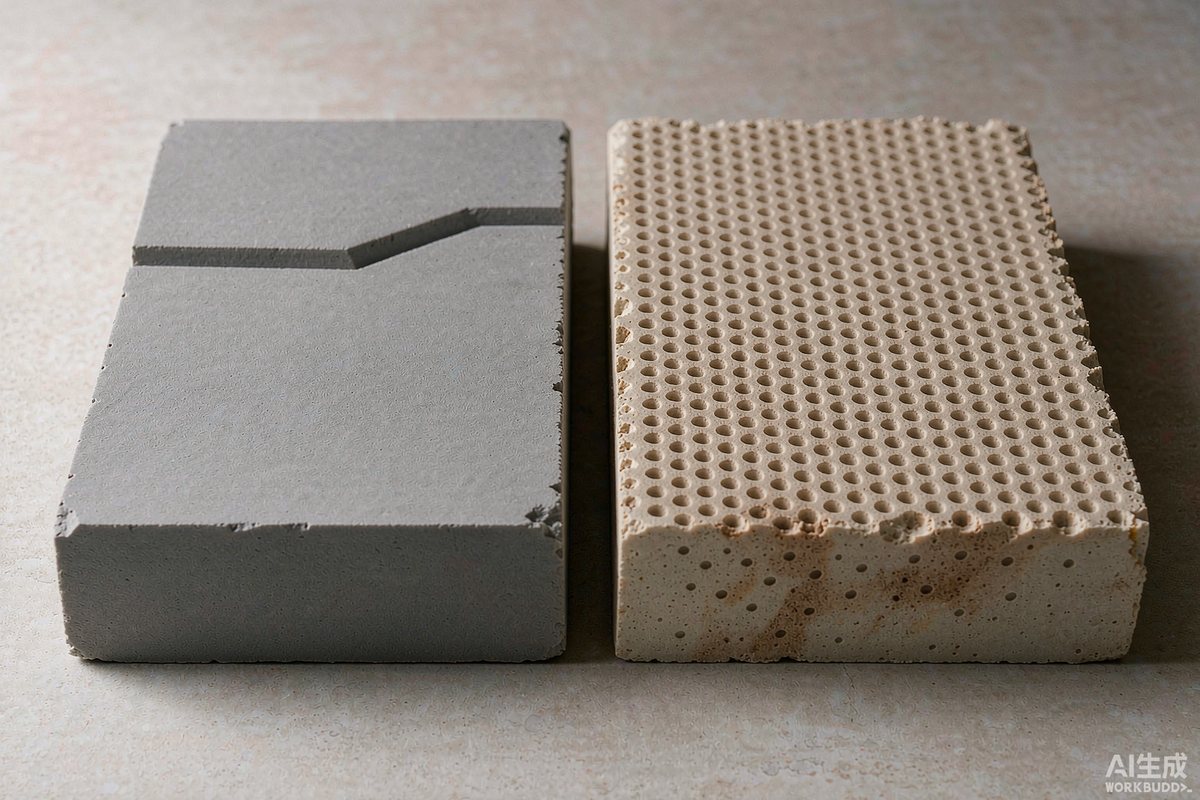
Memory Foam vs Latex: Which Is Better for Hot Sleepers?
If you sleep hot, the question is not which mattress is “better.” It is which one will stop you waking at 3 a.m. with a damp back. Memory foam and latex fail in different ways, and the failure is predictable enough that you can choose around it.
Here is the honest comparison, based on sleeping on both, cutting both open, and reading the material data rather than the marketing.
The short answer
Latex runs cooler, bounces back, and holds its shape for a decade or more. Memory foam isolates motion better, cradles pressure points more aggressively, and costs less. If heat is your main complaint and budget is secondary, choose latex. If you share a bed with a restless partner and sleep in a cool room, memory foam will make you happier.
The complication is that “memory foam” covers everything from a $300 Amazon mattress to a $4,000 Tempur-Pedic, and “latex” covers both natural Dunlop and synthetic blends. Material quality matters more than the category.
How each is made, and why it matters
Memory foam is polyurethane foam with added viscosity. It softens with body heat and gradually returns to shape. That heat response is the entire point — it is also why it sleeps warm. It conforms, which relieves pressure, and it absorbs energy, which kills bounce and motion.
Latex is made from rubber tree sap (natural), petrochemicals (synthetic), or a blend. It is poured into a mould and either baked (Dunlop) or whipped and baked (Talalay). It pushes back immediately rather than melting, so you sleep on it rather than in it.
That single mechanical difference explains almost every complaint people have about either material.
Heat retention
This is the decisive factor for hot sleepers, so it deserves the most detail.
Memory foam traps heat for two reasons: it has low airflow because of its dense closed structure, and it softens in response to body heat, which increases contact area and therefore heat transfer back to you. A cheap memory foam mattress with a polyester cover can be genuinely unbearable in a warm room.
Latex has an open-cell structure with natural pinholes, so air moves through it. It does not soften with heat, so contact area stays constant. In practice, a latex mattress at the same firmness sleeps noticeably cooler than a memory foam one.
But context matters. If your bedroom is 78°F, latex will feel warm too. If you sleep under a heavy duvet, the mattress is not your problem. Fix the room and the bedding before you spend $2,000 solving a ventilation issue.
One more thing worth knowing: mattress covers change everything. A waterproof polyester protector will trap heat on any mattress, including latex. Use cotton or linen.
Bounce, motion and sex
Memory foam absorbs movement. If your partner turns over six times a night, you will not feel it. That is its strongest practical advantage.
Latex is springy. You will feel your partner move. On the other hand, latex does not have the “stuck in mud” feeling that some people hate about foam — rolling over takes effort on a soft memory foam bed, and none on latex.
For couples, this often decides it. Light sleeper plus restless partner: memory foam. Both of you dislike sinking: latex.
Durability
Natural latex outlasts memory foam by a wide margin. A quality latex core holds its resilience for 10 to 15 years; most memory foam softens measurably within three to five years, and cheap foam can develop permanent impressions in two.
Memory foam does not “wear out” by collapsing — it loses its ability to push back. That is why a five-year-old foam mattress feels softer in the middle than at the edges even though nothing has visibly broken.
If you are buying for a decade, latex is usually the better cost per year, even at a higher sticker price.
Off-gassing
New memory foam smells. The smell is from residual volatile organic compounds released as the foam finishes curing, and it usually fades within a few days to two weeks. It is unpleasant rather than dangerous for most people, but it is a real issue for anyone with chemical sensitivity or a small bedroom with poor ventilation.
Natural latex has a distinct rubber smell that fades faster. Synthetic latex can smell more chemical. Either way, let any new mattress air out for 48 hours before you sleep on it.
Cost
Memory foam wins on entry price. A queen-size foam mattress can be $400; a comparable latex queen starts around $1,200 and climbs quickly. Natural Talalay latex is the most expensive common mattress material.
The gap narrows once you compare hybrids: a latex hybrid and a premium memory foam mattress often land within a few hundred dollars of each other, and at that point the decision should be about feel and heat, not price.
Side by side
| Factor | Memory Foam | Latex |
|---|---|---|
| Heat | Sleeps warm, worse with cheap covers | Sleeps cooler, open cell structure |
| Pressure relief | Excellent, especially at shoulders and hips | Good, but pushes back rather than cradles |
| Motion isolation | Excellent | Poor to fair |
| Bounce | None | High |
| Durability | 3–6 years typical | 10–15 years for natural latex |
| Off-gassing | Noticeable for days to weeks | Mild rubber smell, fades quickly |
| Price (queen) | $400–$3,000 | $1,200–$4,000 |
| Best for | Couples, pressure point pain, cool bedrooms | Hot sleepers, heavier sleepers, long-term value |
Who should choose which
Choose memory foam if: you share a bed with a restless sleeper, you have shoulder or hip pressure pain, your bedroom is cool, and you are shopping under $1,500. Prefer a hybrid with coils underneath — an all-foam bed under $800 is where the worst heat complaints come from.
Choose latex if: you overheat at night, you weigh over 200 lb (latex resists bottoming out), you want ten years out of a purchase, or you dislike the sinking feeling. Prefer natural Dunlop for support, Talalay for a softer, more uniform feel.
Consider neither if: you have significant back pain that a clinician has evaluated. Neither material is a treatment, and the “right” mattress for a diagnosed condition is usually determined by trial, not by category.
If you already know you need a softer feel for shoulder pressure, our mattress picks for side sleepers compare specific hybrid models rather than materials.
FAQ
Does a latex mattress really sleep cooler than memory foam? Yes, on average, because air moves through it and it does not soften with body heat. The difference is smaller than most marketing suggests, and it shrinks further if you use a polyester mattress protector.
Is memory foam bad for your back? Not inherently. Soft foam that lets your hips sink is bad for alignment; firm foam that does not contour can be worse for pressure. The useful variable is whether your spine stays neutral, not the material name.
Can I put a latex topper on a memory foam mattress? You can, and it is a reasonable way to cool down a too-warm foam bed while keeping the motion isolation underneath. Expect the topper to change the firmness by roughly one level.
Which lasts longer if I am heavy? Latex, by a clear margin. Foam softens under sustained load faster, and heavier sleepers accelerate that process.
The bottom line
For a hot sleeper, latex is the better default — it addresses the actual complaint. For everyone else, memory foam is cheaper, quieter and easier to live with. Do not buy either without checking the return policy, and do not judge a new mattress before two weeks of sleep; both materials change feel during the break-in period.