Most devices in this category — blood pressure monitors, thermometers, pulse oximeters — are FDA-cleared 510(k) medical devices. That matters for you in a specific way: their claims are regulated and checkable, unlike almost everything else in health retail.
Our guides explain what clearance actually means and what it does not, how to use these devices so the numbers are worth recording, and which features are worth paying for. Nothing here diagnoses anything; the devices tell you when to call a clinician, not what treatment to take.
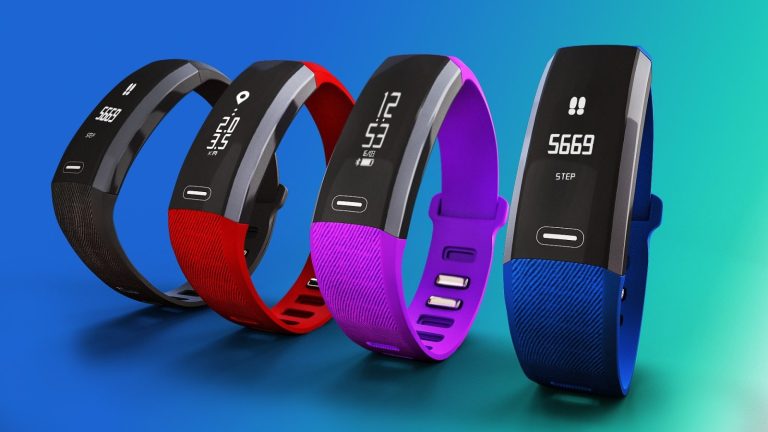
Best Blood Pressure Monitors in 2026
A home monitor is only as good as its cuff fit and your measuring routine. These are the five upper-arm models worth buying, and…
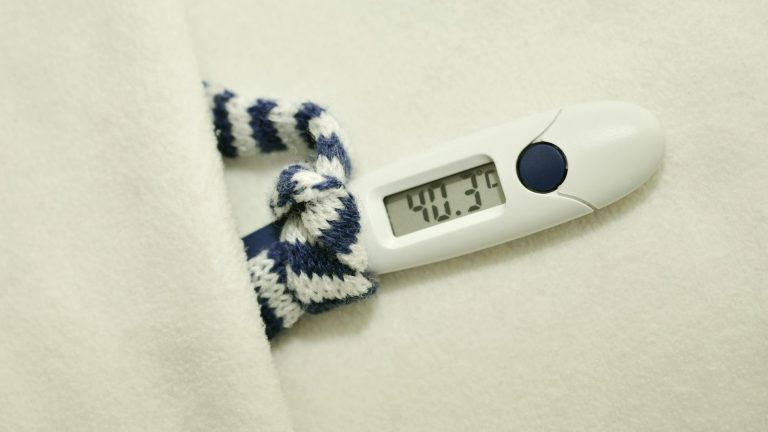
How to Measure Blood Pressure at Home (Properly)
Most home readings are wrong for boring reasons — talking during the measurement, a cuff over a sleeve, one reading instead of three. Here…

Fitness Trackers vs Sleep Trackers (2026): What the Sensors Can and Cannot See
Wearables infer sleep from movement and heart rate. That means they are quite good at telling you when you slept and awake, and poor…

Pulse Oximeters: What They Actually Tell You
A pulse oximeter reads oxygen saturation and pulse, and nothing else. Here is where that number is genuinely useful, where it misleads, and why…