Fitness Trackers vs Sleep Trackers (2026): What the Sensors Can and Cannot See
Fitness trackers and sleep trackers are converging into the same product, and neither is a medical device. The question worth answering is not which one is better but what the numbers on the dashboard actually represent — because acting on those numbers is increasingly common and sometimes counterproductive.
How a wrist wearable infers sleep
Almost all consumer sleep tracking rests on two signals:
- Accelerometry — a three-axis accelerometer detects small movements. Stillness plus a steady heart rate is scored as sleep.
- Photoplethysmography (PPG) — an optical sensor on the wrist measures blood volume changes, from which heart rate and heart rate variability are derived. Sleep is associated with a drop in heart rate and a rise in certain HRV features.
Some devices add skin temperature and respiratory rate from the same optical signal. None of them measures brain activity. Sleep stages — light, deep, REM — are inferred from these proxies using proprietary algorithms, not observed.
This explains the pattern in the validation literature, which is remarkably consistent:
- Total sleep time correlates reasonably well with polysomnography. Devices are typically within about 20 to 30 minutes for a whole night, and they are better at this than at anything else.
- Sleep versus wake is decent for the main sleep period, but devices tend to overestimate sleep — scoring quiet wakefulness as sleep.
- Sleep stages are the weak point. Agreement with polysomnography for deep sleep and REM is often modest, and stage durations can be off by a third or more. Two devices on the same wrist will disagree with each other about stage distribution.
- Sleep onset latency is frequently underestimated, for the same reason: lying still while falling asleep looks like sleeping.
The practical translation: trust the total, distrust the detail. “You slept 7 hours 10 minutes” is a reasonably good estimate. “You got 42 minutes of REM” is not a measurement.
What each device class is good for
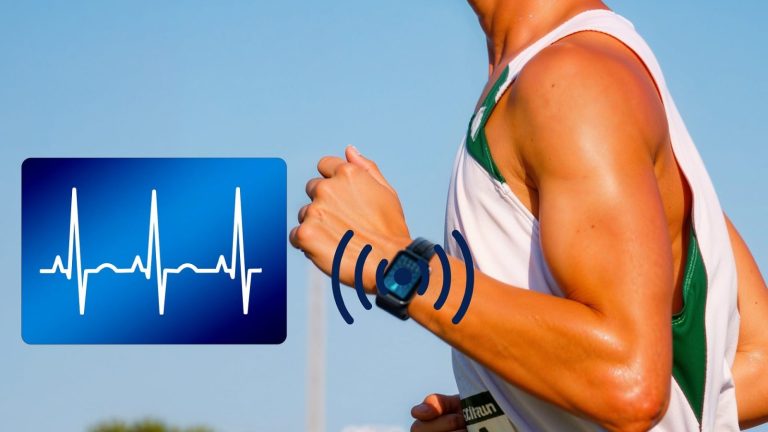
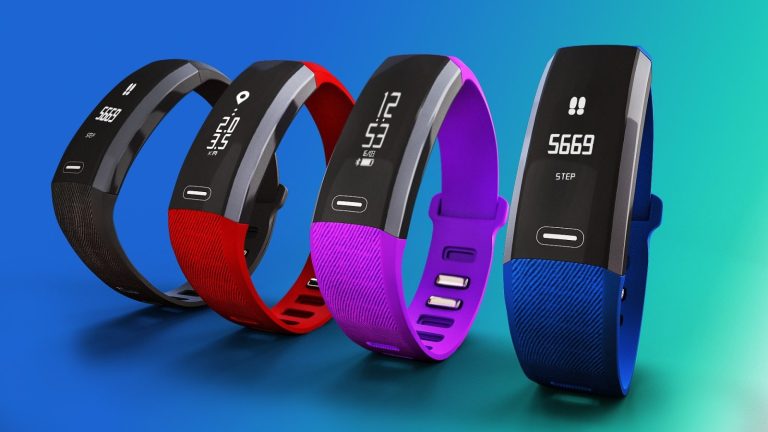
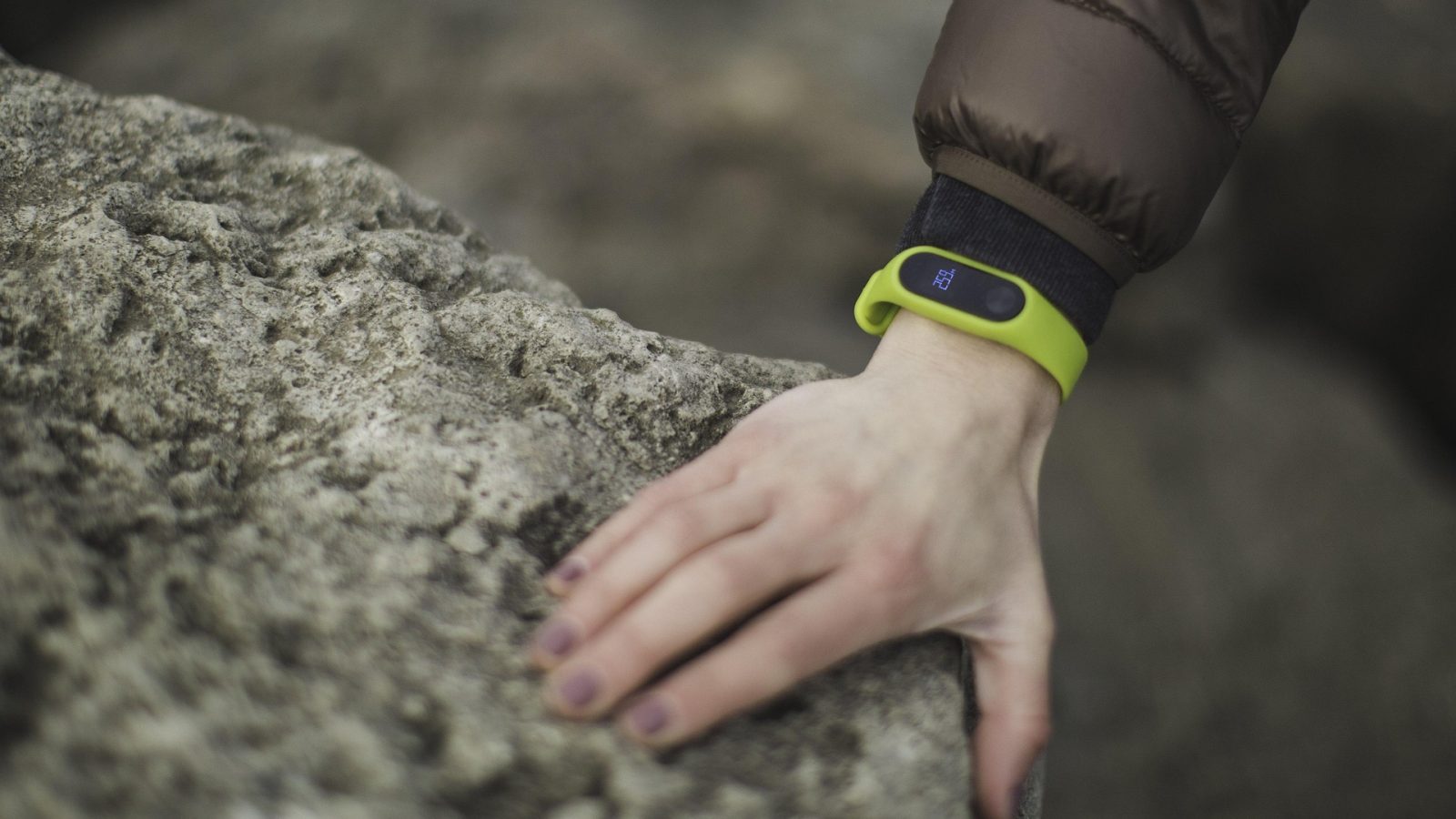
Fitness trackers (wrist bands, sport watches) are optimised for activity and use sleep as a secondary feature. Strengths: multi-day battery, step and workout tracking, continuous heart rate, price. Weaknesses: coarser sleep staging, less comfortable for some people overnight, and a tendency to gamify movement in a way that increases anxiety in some users.
Dedicated sleep trackers fall into three groups:
- Wearable rings — smaller, longer battery, more comfortable overnight, and generally better validated for sleep than wrist bands because the finger gives a cleaner PPG signal. They still cannot see brain activity.
- Under-mattress sensors — ballistocardiography and pressure sensing, no wearable at all. Good for total sleep and wake detection and excellent for compliance, because there is nothing to remember to wear. Weaker on anything about the individual when two people share a bed.
- Bedside radar or “contactless” devices — measure breathing and movement at a distance. Convenient; less validated; sensitive to room layout.
A note on clinical-grade devices. Home sleep apnoea tests are different from consumer trackers: they use nasal airflow or effort belts plus oximetry, and they are used to diagnose. A consumer wearable that reports “breathing disturbances” has not diagnosed anything. If a device flags apnoea risk, that is a reason to get a proper test, not a diagnosis.
Orthosomnia, and why the numbers can hurt
There is a documented phenomenon called orthosomnia — insomnia driven by preoccupation with sleep tracking data. People wake, check the score, see a low number, and become anxious about sleep, which worsens sleep, which lowers the score.
The mechanism is well described in the behavioural sleep medicine literature, and it is why clinicians increasingly see patients whose main problem is the tracker rather than their sleep. Warning signs:
- Checking the score during the night or first thing on waking, before anything else
- Feeling that a night “does not count” unless the device scored it well
- Changing bedtime to chase a sleep score
- Anxiety about the device running out of battery overnight
If that describes you, the useful intervention is to stop looking at the score for two weeks while keeping the device on, or to take it off entirely. Sleep quality is judged by daytime function — energy, mood, alertness — not by a staging algorithm.
When a tracker is genuinely useful
- Detecting a trend. Your sleep duration dropping by an hour over a month is meaningful even with a 30-minute measurement error, because the error is consistent.
- Confirming a suspicion about behaviour. Late caffeine, alcohol, or a late workout showing up as worse sleep in your own data is useful feedback.
- Adherence. The behavioural effect of tracking often exceeds the measurement value — people go to bed earlier when they can see the number.
- Screening for a problem worth investigating. Persistent reports of very low oxygen saturation, or a partner reporting apnoea, are worth acting on with a clinician.
When to skip the tracker and ask for a sleep study
Polysomnography or a home sleep apnoea test is the appropriate next step if you have:
- Loud snoring with witnessed pauses in breathing, or waking with a choking sensation
- Excessive daytime sleepiness despite adequate time in bed — particularly falling asleep while driving or during conversations
- Morning headaches with unrefreshing sleep
- Persistent insomnia not responding to behavioural treatment
- Suspected restless legs, periodic limb movements, or parasomnias (sleepwalking, acting out dreams)
None of these are diagnosed by a consumer wearable, and all of them are treatable.
What to look for
| Feature | Target | Why |
|---|---|---|
| Battery life | 5+ days with sleep tracking on | Forgetting to charge breaks the data |
| Comfort | Small, no clasp on the sleep surface | Compliance determines data quality |
| Heart rate sensor | PPG with HRV | The basis of all sleep inference |
| SpO₂ | Useful if it reports trends, not absolutes | Absolute values from wrist sensors are unreliable |
| Data export | Yes, ideally CSV | Lets you analyse trends yourself |
| Sleep score transparency | Shows raw durations, not just a score | A single score hides the measurement |
| Subscription | Note whether data requires one | Some features are paywalled after year one |
| Notifications | Night mode, no vibration on wrist | A device that wakes you defeats the purpose |
Subscription models deserve a mention: several rings and platforms charge monthly for detailed sleep data. Check what is free before committing, because the paywalled features are often exactly the trend analysis you would want.
FAQ
Are sleep trackers accurate? For total sleep time, reasonably. For sleep stages, not reliably. They cannot measure brain activity.
Can a tracker diagnose sleep apnoea? No. It can suggest you should be tested.
Should I wear a ring or a watch? A ring is generally more comfortable overnight and gives a cleaner optical signal; a watch adds workout tracking. Neither changes the fundamental limitation.
Do I need to track sleep at all? If you sleep well and feel fine, the data adds little. If you are chasing a score and feeling worse, it is actively harmful.
Why do two devices disagree? Different sensors, different placement, different proprietary algorithms. There is no ground truth being measured.
Is my data private? Assume it is shared with the manufacturer and possibly partners unless the product explicitly states otherwise, and check whether the app can be used without an account.
For the bedroom environment that affects the numbers more than any sensor, see our guides to bedroom temperature and blackout curtains for shift workers.