Best Mattress Protectors for Allergies (2026): What “Hypoallergenic” Hides
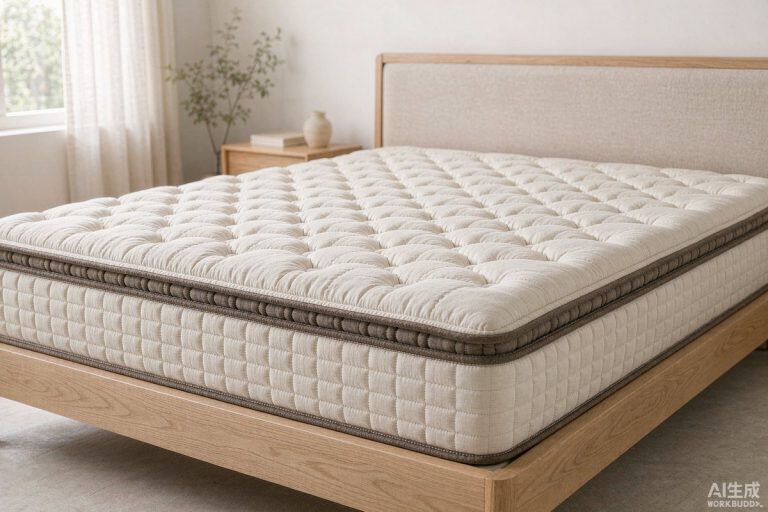
If you have a dust mite allergy and you change one thing about your bedroom, the mattress is the highest-value target. It is warm, humid, holds skin scales, and you spend a third of your life in contact with it. It is also the hardest thing in the room to clean.
A protector is how you make it cleanable. The question is which kind.
What you are actually trying to block
Dust mite allergen is not the mite. It is a protein in the mite’s faecal pellets, roughly 10 to 20 microns across, which is small enough to become airborne when disturbed and large enough to be filtered mechanically.
That size matters for shopping. A woven or non-woven fabric with a pore size under about 6 microns blocks the allergen physically. A waterproof membrane made of polyurethane does the same, and also blocks moisture. A quilted cotton pad does neither at that scale — it absorbs sweat, which is worse, because mites need humidity above about 50 percent relative humidity to thrive.
Materials, ranked by what they do
| Material | Blocks allergen | Blocks moisture | Breathability | Verdict |
|---|---|---|---|---|
| Woven microfibre (pore size under 6 microns) | Yes | Partial | Good | The best allergy choice |
| Polyurethane membrane laminate | Yes | Yes | Moderate; varies widely | Best all-round if you also need waterproofing |
| Non-woven polypropylene | Yes | No | Moderate | Good budget option |
| Quilted cotton with polyester fill | No | No | Good | Comfortable, not an allergy barrier |
| Vinyl / PVC | Yes | Yes | Poor — sleeps hot and crinkles | Effective, unpleasant |
| Terry cloth with a membrane backing | Yes | Yes | Good | Good compromise; check the membrane |
The pattern: you need either a tightly woven fabric or a membrane. Anything described as “soft”, “quilted”, or “breathable padding” is a comfort layer, not a barrier.
Why “hypoallergenic” on the label means nothing
In the US, “hypoallergenic” is not a regulated term for bedding. It can be applied to a product with no testing and no standard behind it. The same is true of “anti-dust mite” and “allergy-free”.
What is worth looking for instead:
- A stated pore size in microns, or a stated allergen barrier claim tied to a test standard
- OEKO-TEX Standard 100 certification, which covers harmful substances rather than allergen blocking
- A published washing temperature — allergen is denatured at 130 °F (54 °C) and above, so a protector that cannot be washed hot is a poor choice for allergy
- Full encasement rather than a fitted sheet style. A fitted protector leaves the sides and the underside of the mattress exposed, which is where mites also live
That last point is the one most shoppers miss. A six-sided zippered encasement protects the whole mattress. A fitted sheet-style protector protects the top surface only.
What else actually reduces allergen
A protector is necessary and not sufficient. The evidence-supported measures for dust mite allergy, in order of effect:
Encase the mattress and pillows. Both. Pillows are as allergenic as mattresses and cheaper to replace.
Wash bedding weekly at 130 °F or above. This denatures the allergen; cool water does not.
Keep indoor humidity below 50 percent. Mites cannot reproduce in dry air. This is the single most effective environmental control and the cheapest, requiring a hygrometer and either a dehumidifier or adequate ventilation.
Reduce soft surfaces. Carpets, heavy curtains, and fabric-covered furniture are reservoirs that a mattress protector does nothing about.
HEPA filtration helps airborne allergen but does not remove the reservoir. It is a supplement, not a solution.
What does not work: ionisers, “allergen-neutralising” sprays with no published test data, and air purifiers marketed as mite control.
Choosing between the types
If allergy is the only concern: a woven microfibre encasement, washed monthly at 130 °F. Quiet, cool, no crinkle.
If allergy plus spills, pets, or bedwetting: a polyurethane membrane laminate. Verify it is described as breathable and not just waterproof, because the cheap ones are not.
If you sleep hot: avoid vinyl and avoid thick quilted protectors. A membrane is warmer than a woven cover by definition; a thin laminate with a breathable backing is the compromise.
If there is a baby or toddler in the bed: waterproofing is the priority and the allergy argument is secondary. Our infant sleep product safety guide covers what to avoid in that context.
How to wash a protector without destroying it
A membrane protector survives many washes, but the heat is what kills it. Wash warm rather than hot unless the manufacturer states 130 °F is safe; tumble dry low or line dry. Once the membrane delaminates or cracks, the barrier is gone even though the fabric looks intact. Expect two to three years of regular hot washing or five or more of warm washing.
A woven microfibre encasement tolerates hot washing better, which is the reason to prefer it when allergy is the driver.
FAQ
Does a mattress protector help with allergies if the mattress is old? It helps, but an old mattress may already hold years of allergen. Encasing it controls what is there; it does not remove it. If the mattress is over ten years old and allergy symptoms are significant, replacement is the better spend.
Are expensive protectors better? Not systematically. Pore size and washability are what matter, and both are cheap to manufacture. The premium is usually for quietness and fit.
Can I put a protector over a mattress topper? Yes, and you should — but encase the mattress underneath as well, or you are protecting the topper and not the source.
Does a protector make a mattress hotter? A membrane one does, slightly. A woven one does not. If overheating is already a problem, read our cooling topper guide before adding a barrier layer.
Do I still need to vacuum the mattress? If it is fully encased, no. If not, vacuuming with a HEPA machine helps, but it does not reach below the surface.
For diagnosed asthma or allergic rhinitis, bedding is one control among several and medication decisions belong to a clinician. See our medical disclaimer for the scope of this site.